Ukraine's Demographic Future: Experts Forecast Population Figures for 2030
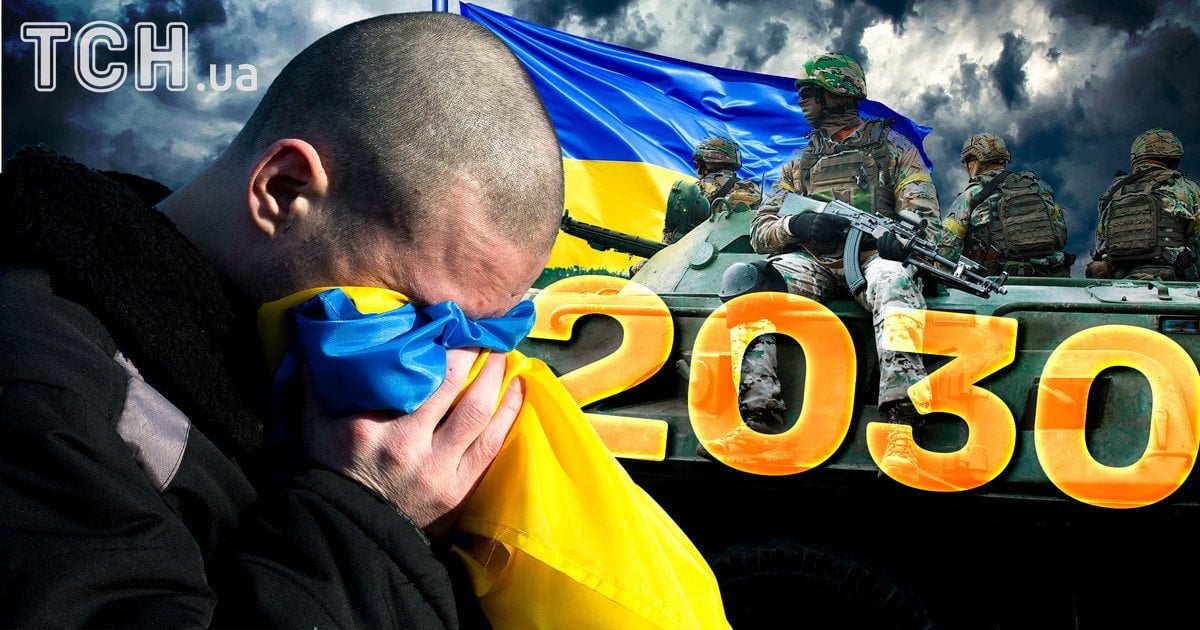
According to estimates by the Institute of Demography, Ukraine's population in government-controlled areas could range between 25.5 and 26.8 million by early 2030.
 🇺🇦Ukraine
Photo: TSN
Key points
- Ukraine's population projection for 2030 stands at 25.5–26.8 million people.
- Women will continue to outnumber men due to migration and frontline casualties.
- Birth rates are declining while the proportion of elderly citizens is growing.
The future demographic state of Ukraine remains one of the most critical challenges amid ongoing hostilities and large-scale migration. According to forecasts by specialists from the Ptoukha Institute of Demography and Social Research of the National Academy of Sciences of Ukraine, the population in government-controlled territories by early 2030 could range from 25.5 to 26.8 million people, with a baseline scenario centered around 26.2 million.
Risk Factors and Gender-Age Imbalance
As noted by Oleksandr Gladun, Deputy Director of the Institute, approximately 27 to 29 million citizens resided in the country at the beginning of 2026. Future indicators will depend on a number of critical factors, including the dynamics of hostilities, potential territorial shifts, birth rates, and the scale of refugee returns from abroad. Experts emphasize that applying pre-war forecasting models is currently impossible due to the profound disruption of established social processes.
The structure of the future population is of particular concern. Women are expected to continue outnumbering men, driven by both the mass exodus of Ukrainian women abroad and combat casualties among military personnel. At the same time, the aging of the nation will rapidly deepen: the proportion of children is steadily declining due to critically low birth rates, while the share of elderly people is increasing. According to sociologists, only about 6% of Ukrainian refugees in Europe are aged 65 and older, as most older individuals remained at home.
Implications for Regional Communities
For cities like Romny, nationwide demographic trends mean increased pressure on local infrastructure, healthcare systems, and social services. A shrinking workforce and internal migration will require local authorities to adapt economic and social programs to new realities. In the long run, communities will have to find ways to stimulate employment and support families with children to partially mitigate the nationwide crisis.
"The prospects are not very cheerful," concluded Oleksandr Gladun, emphasizing the high level of uncertainty.
An additional risk factor following the active phase of the war could be the potential departure of men abroad to join families already settled in Europe. This could further deepen labor shortages and complicate economic recovery at both national and local levels.
Source TSN — tsn.ua/ukrayina/skilky-liudey-zytyme-v-ukrayini-pislia-viyny-prohnoz-de… ↗
Read next
 🩺Health
Denmark urges EU to tighten entry restrictions for Russian citizens
Copenhagen has called for unified EU visa restrictions for Russian nationals following a foiled assassination attempt against a Ukrainian rapper.
 🏙️City
Winter feeding of squirrels in Romny parks: how to care for them properly
Residents of Romny are reminded of the rules for safely feeding squirrels in city parks during winter to help the rodents survive the cold.
 🛡️Security
UK Defense Secretary Visits Kyiv to Discuss Air Defense and Military Support
UK Defense Secretary Wes Streeting visited Kyiv to meet with President Volodymyr Zelenskyy, discussing air defense needs, anti-ballistic missile search, and bilateral def…
 🩺Health
Tomato vs. Orange Juice: Which is Better for Blood Sugar Levels
Choosing the right morning beverage is crucial for those monitoring blood glucose, as different juices have varying impacts on metabolic health.
 ⚽Sport
Kolos Secures a Comeback Victory Against Kharkiv in UPL Match
Kovalivka's Kolos demonstrated resilience in the Ukrainian Premier League, defeating their opponents 2:1 after conceding early in the game.
 🧠AI Analysis
Pentagon Releases New Declassified Documents on UAPs
The U.S. Department of Defense has released a new batch of declassified files regarding unidentified anomalous phenomena reported in the mid-20th century.