The Lost 'Aquaterra': How Underwater Archaeologists Uncover Ancient Civilizations
Researchers are exploring submerged lands the size of North America where ancient people once lived.
 🎭Culture & Sport
Photo: UNIAN
Key points
- Aquaterra covers 22.5 million sq. km of submerged land
- Archaeologists are finding artifacts over 12,000 years old
- Climate change and erosion continue to destroy historical sites
Over the last 120,000 years, global sea levels have shifted dramatically, hiding vast landmasses beneath the waves. Geographer Jerome Dobson coined the term 'Aquaterra' in 1999 to describe these coastal zones, which cover a total area of 22.5 million square kilometers.
Secrets of the Deep
During ice ages, lower sea levels allowed humans to inhabit regions that are now deep underwater. Archaeologists believe these areas hold evidence of technological advancements and the daily lives of ancient societies. Modern research methods, including landscape analysis and underwater excavations, are already yielding significant findings.
In the Gulf of Mexico and off the coast of Belize, researchers have discovered remnants of ancient settlements, stone tools, and even Mayan structures. These findings suggest that a substantial portion of human history remains hidden beneath the ocean floor.
"All landmasses are defined by both time and space," wrote Jerome Dobson.
The loss of historical sites remains a pressing issue. Coastal erosion continues to destroy even those sites previously accessible to researchers, such as the 16th-century colony on Roanoke Island.
Source UNIAN — unian.ua/science/pid-vodu-pishla-susha-rozmirom-iz-pivnichnu-amerik… ↗
Read next
 👥Society
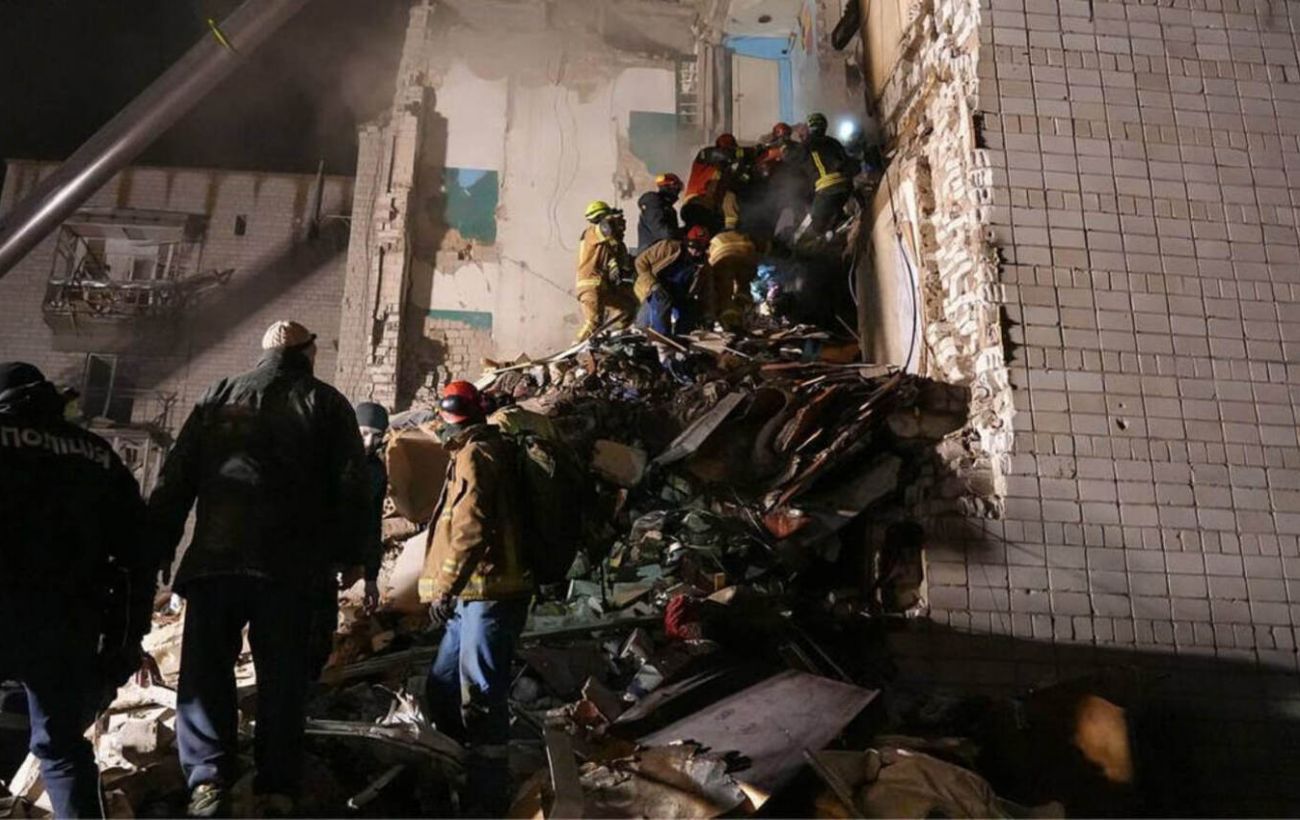
Death Toll Rises to Six Following Russian Drone Attack on Residential Building in Dymer
Rescue workers in Dymer, Kyiv Region, retrieved the body of a sixth victim from the rubble of a five-story building hit by a Russian drone. Emergency operations remain on…
 🚨Events
Shooting in Kharkiv: Police launch special operation
Law enforcement officials in Kharkiv are investigating a homicide after a body was discovered following reports of gunfire.
 🏛️Politics
US Considers Providing Ukraine with Security Guarantees Similar to NATO Model
The US administration is initiating talks on a new European security architecture that may include guarantees for Ukraine modeled on the Alliance's Article 5.
 ⚽Sport
High-scoring thriller in Serie A: Atalanta and Inter draw 4-4
Atalanta and Inter Milan played out a dramatic 4-4 draw in the 12th round of Serie A, featuring a hat-trick from Francesco Esposito.
 ⚽Sport
Artem Dovbyk considers move to Spanish club Valencia
Ukrainian forward Artem Dovbyk is looking for a new club due to limited playing time in Italy.
 👥Society
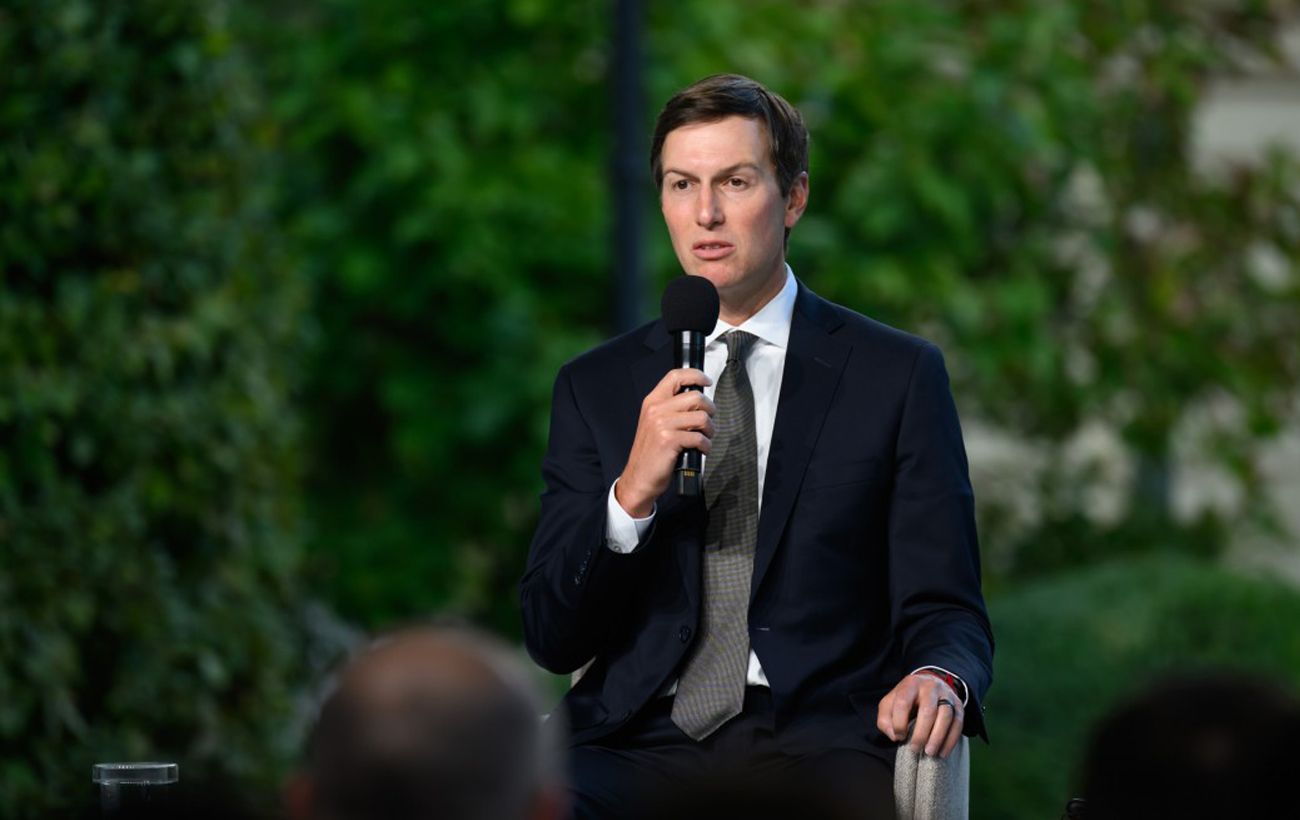
Jared Kushner outlines conditions for NATO-style security guarantees for Ukraine
US special envoy Jared Kushner says the US is working on security guarantees for Ukraine similar to NATO's Article 5 to ensure long-term peace.