Critical Limit: Expert Evaluates Problems Facing Russian Strategic Aviation and Engine Shortages
Russia's military-industrial complex is unable to sustain full-scale serial production of strategic bombers and engines due to lost technologies.
 🚨Events
Photo: UNIAN
Key points
- Russia relies on Soviet reserves and aircraft cannibalization
- Critical manufacturing issues persist for NK-12MP and NK-25 engines
- Strikes on Taganrog and sanctions have severely damaged repair logistics
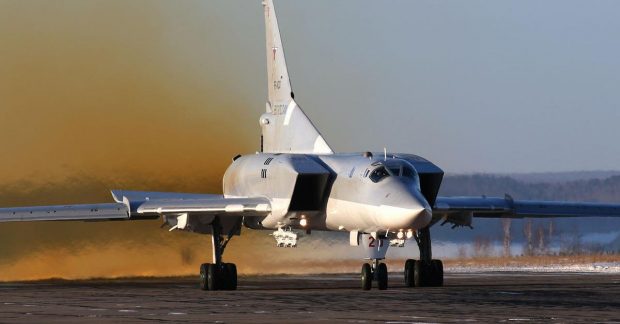
Modern Russian strategic aviation is increasingly feeling the impact of technological isolation and the breakdown of Soviet-era manufacturing supply chains. According to defense expert Anatoliy Khrapchynskyi, Russia's military-industrial complex is incapable of establishing full-scale production of key combat aircraft and engines, relying primarily on legacy stockpiles from past decades and the cannibalization of older airframes.
Technological Limitations and Engine Shortages
The primary bottleneck remains the production of reliable propulsion systems. Specifically, Tu-95MS strategic missile carriers face a critical shortage of new NK-12MP turboprop engines, while Tu-22M3 bombers rely on scarce NK-25 engines. Even the modernized Tu-160M project in Kazan encounters massive difficulties due to lost competencies in manufacturing titanium structural components and high component rejection rates.
Beyond issues with the aircraft themselves, maintenance logistics have suffered severe setbacks. Systematic damage to infrastructure in Taganrog has significantly hampered repair operations, while sanction-driven shortages of Western microelectronics have permanently stalled the development of new A-100 Premier airborne warning and control system (AWACS) aircraft.
Impact on Combat Readiness and Resources
Frequent combat missions carrying heavy missile loads deplete the remaining structural lifespan of airframes at rates significantly higher than peacetime regulations dictate. As a result, military command is forced to strictly limit simultaneous massive strikes to preserve a dwindling fleet of operational airframes.
"Their strategic greatness today rests entirely on warehouse reserves and the cannibalism of old airframes," the expert noted.
The degradation of the aviation fleet, coupled with the impossibility of replicating unique Soviet metallurgical cooperation, gradually narrows the long-term operational capabilities of Russia's long-range aviation.
Source UNIAN — unian.ua/weapons/rosiya-maye-obmezheni-mozhlivosti-vidnovlyuvati-st… ↗
Read next
 🧠AI Analysis
Armenian PM Nikol Pashinyan presents new constitution draft linked to peace with Azerbaijan
Armenian Prime Minister Nikol Pashinyan has introduced a draft of the country's new constitution, linking its adoption to a lasting peace agreement with Azerbaijan.
Enemy strike in Dymer claims the life of 18-year-old Roman who recently came of age
A recent enemy attack on Kyiv region cut short the life of 18-year-old Roman from Dymer, who had just celebrated his birthday.
 💼Economy
Currency quotes at the beginning of the week: National Bank and commercial institutions record a drop in USD and EUR
At the start of the week, Ukraine witnessed a decrease in the exchange rates of major foreign currencies. Both the National Bank and commercial lenders reported a strengt…
 🎭Culture & Sport
Autumn Rose Care: Expert Tips on Pruning
Gardeners are advised to avoid radical pruning of roses until stable cold weather arrives to prevent plant damage.
 🛡️Security
Estonia comments on incident involving Russian vessel in the Gulf of Finland
Estonian Foreign Minister Margus Tsahkna stated that the strike on a Russian cargo ship is a consequence of Ukraine's right to self-defense.
 🛡️Security
Rescue operation in Dymer: 89-year-old woman pulled from rubble of destroyed building
Search and rescue operations continue in the Kyiv region following an enemy drone strike. The death toll from the tragedy has risen to nine.