Failed Talks in Geneva: Why the World Failed to Agree on Rules for 'Killer Robots'
Negotiations in Geneva on a legally binding treaty regarding autonomous weapons have failed. The stance of Russia and other nations prevented the adoption of strict rules.
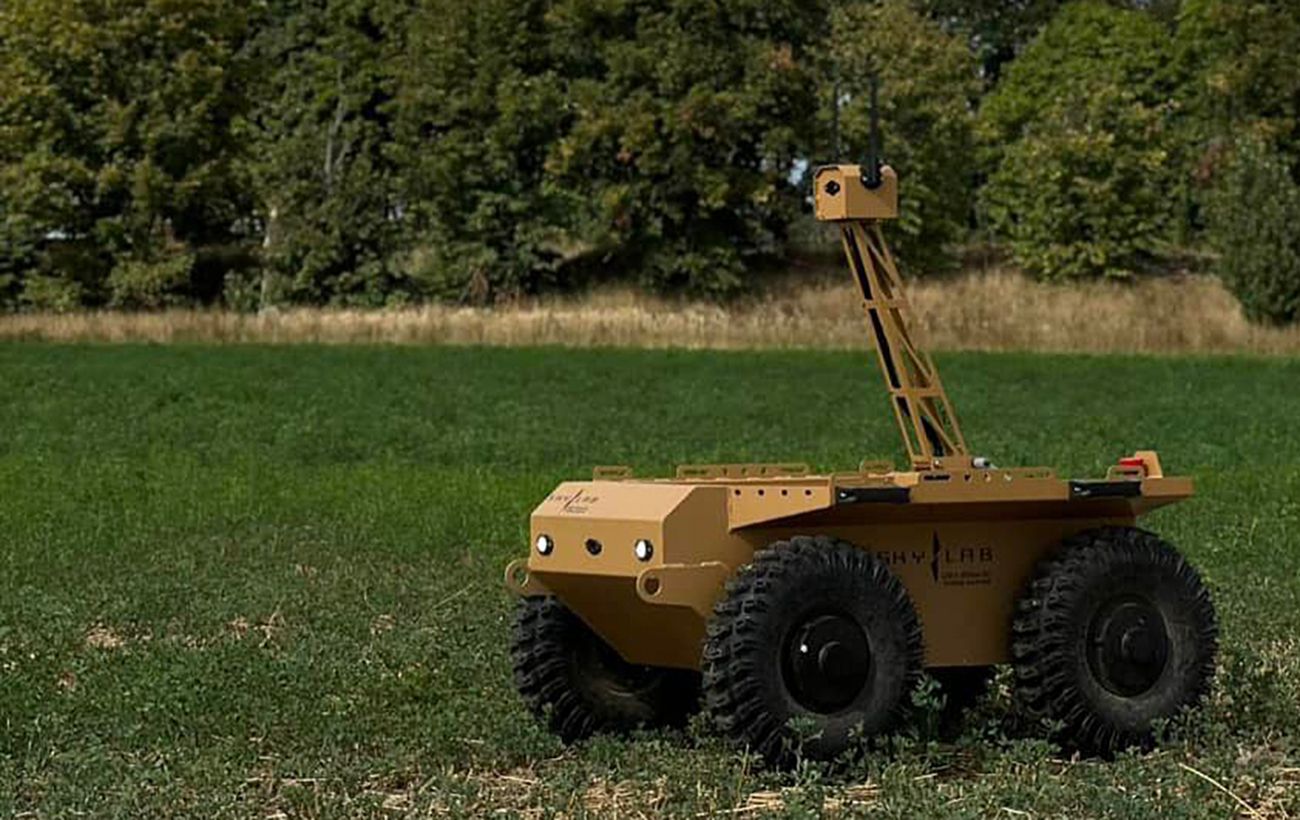 🇺🇦Ukraine
Photo: RBC-Ukraine
Key points
- Geneva talks on a mandatory treaty for autonomous weapons failed due to Russia and other nations.
- The conference adopted a softer recommendation format without binding legal obligations.
- Over 100 states demanded new rules, but the consensus principle blocked decisions.
A week of diplomatic efforts at the UN Convention conference in Geneva regarding a mandate for a legally binding document on autonomous weapons ended in a compromise without strict requirements. Most states sought to introduce mandatory legal norms, but due to the consensus rule, a softer format was adopted. According to the decision, countries will only develop a document that may not contain any legal obligations.
Positions of Key Players and Process Delays
Diplomats present at the talks reported the destructive role of the Russian delegation, which deliberately delayed discussions. At the same time, other leading countries developing artificial intelligence technologies also opposed strict restrictions. In particular, the US, UK, France, Germany, Japan, and South Korea did not support the idea of binding new laws, considering existing international humanitarian law sufficient.
On the other hand, more than a hundred states insisted on the need for new rules due to the fundamental challenges posed by such combat systems. A separate bloc of seven countries demanded agreeing on a full-fledged treaty within a year. However, due to the specifics of the convention, where the consent of all 128 participants is required to make a decision, the organization has not adopted a single new law in this area over the past three decades.
Experts and human rights advocates harshly criticized these results, emphasizing that autonomous weapons are already actively used and developing, while world leaders demonstrate a lack of political authority. Against the backdrop of global discussions, Ukraine is also rapidly developing its own drone technologies with elements of autonomy, where operators are gradually shifting from manual control to tasking entire groups of devices.
Implications for the Future of Warfare
This international event demonstrates the complexity of globally regulating advanced military technologies at the UN level. For residents of Romny living in a frontline country, where the development of autonomous systems and drones is a matter of survival, such news highlights the global trend toward the militarization of artificial intelligence. The absence of clear international restrictions means that combat drone and robot technologies will evolve faster than diplomacy can control them. In practice, this affects both the overall security situation in Ukraine and the speed of implementing defense innovations locally, showing that the warfare of the future is already a reality.
Source RBC-Ukraine — rbc.ua/ukr/news/rosiya-znyala-zaperechen-zhenevi-domovilisya-179542… ↗
Read next
 🧠AI Analysis
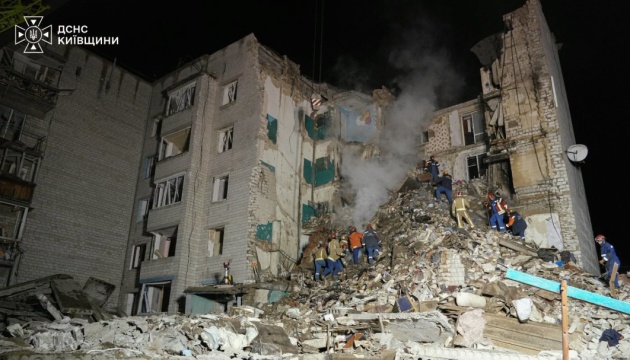
Aftermath of the Strike on Dymer: Search Operations and International Security Context
President Volodymyr Zelensky provided updates on the aftermath of the Russian drone strike on a residential building in Dymer, which killed 11 people, while calling for s…
 💡Tech
Signal Messenger Protects Chats from Artificial Intelligence Spying
The Signal messenger team is introducing screenshot restrictions on iOS and Android to prevent built-in artificial intelligence agents from gathering users' personal data…
 🎭Culture & Sport
Gallic Empire Treasures: Over 40,000 Roman Coins Discovered in France
During house expansion in the French town of Senon, archaeologists unearthed massive coin hoards dating back 1,700 years.
 🚨Events
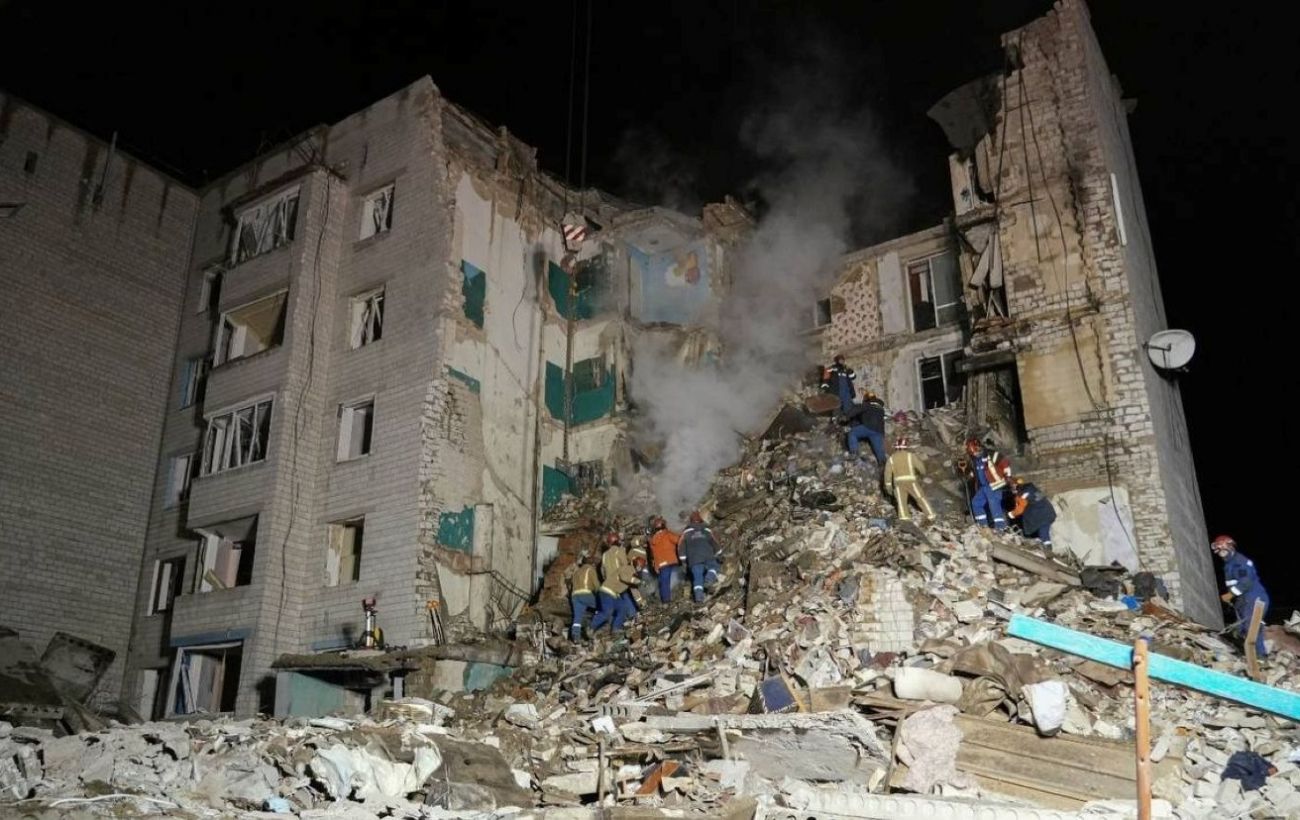
Strike on Dymer: Death Toll Rises to 11, Search Operations Ongoing
A hostile attack on a residential building in the Kyiv region resulted in numerous casualties. The fate of two more residents remains unknown.
 💼Economy
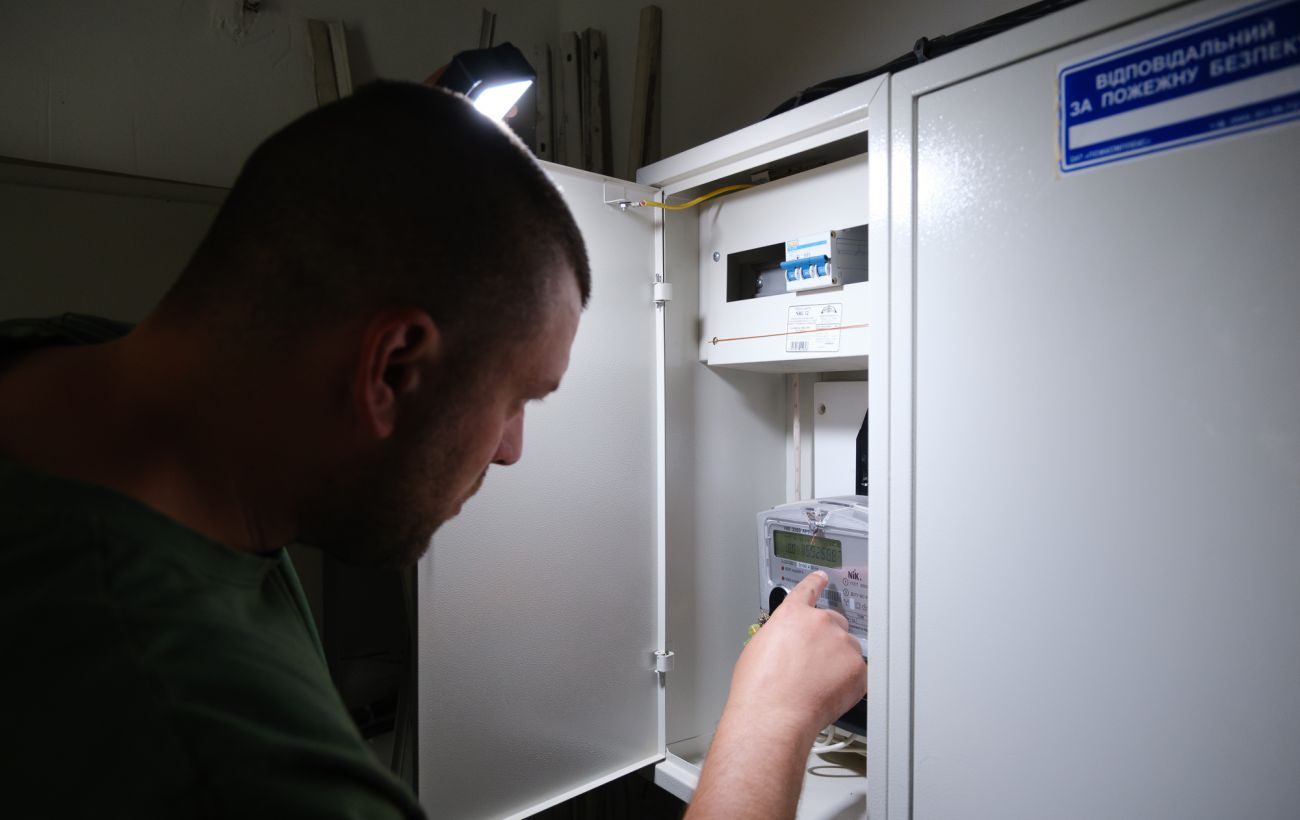
Ukraine's Energy System Suffers One Hundred Attacks in a Week: Sumy Region and Others Address Consequences
Over the past week, Russian forces carried out a hundred targeted attacks on Ukraine's energy facilities, leaving some consumers in the Sumy region and other areas withou…
 💼Economy
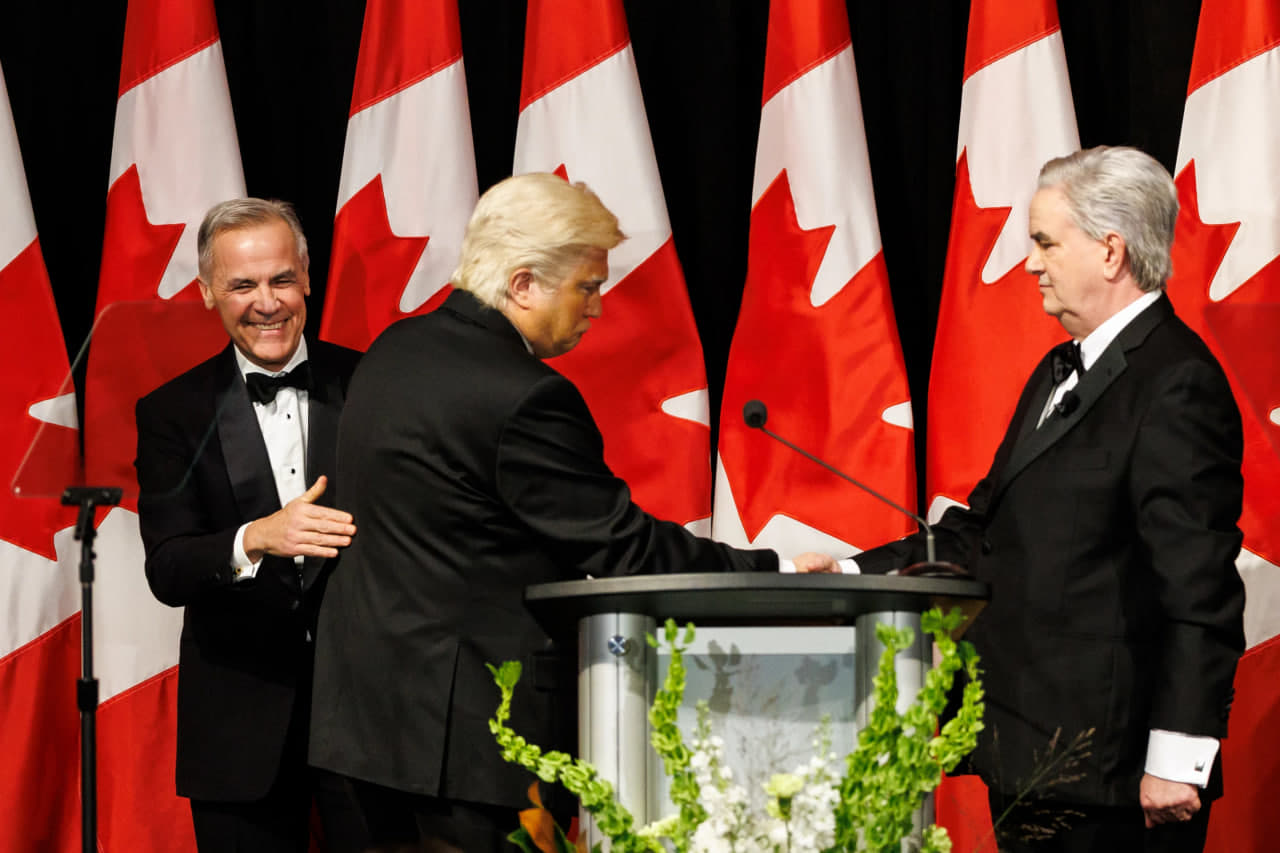
Canadian PM Mark Carney Pokes Fun at Donald Trump at Public Event
The Head of the Canadian government participated in a humorous skit at the Parliamentary Press Gallery dinner, mocking the US president and local politicians.