Lessons of the Revolution of Dignity: How Social Media and Independent Journalism Changed History
Looking back at November 2013, when a simple social media post and live streams broke the state system and transformed the information landscape.
 🚌Transport
Photo: Ukrainska Pravda
Key points
- A social media post sparked the mass mobilization of citizens in November 2013.
- Independent live-streams bypassed traditional media censorship to show real-time events.
- Journalistic coverage during the revolution preserved critical evidence of the crackdown.
What seemed like an ordinary autumn day on November 21, 2013, quickly turned into a historical turning point after a brief social media post by journalist Mustafa Nayem invited citizens to gather at Independence Monument. Prompted by the government's sudden suspension of European integration preparations, this call initiated large-scale protests that demonstrated the unprecedented mobilization power of digital platforms.
The Rise of Live-Stream Journalism
Alongside the civic uprising, a media revolution took place as independent outlets and live-streamers challenged the heavily censored broadcasts of oligarch-owned television channels. Live feeds from the center of Kyiv allowed audiences worldwide to witness unfolding events in real-time, bypassing traditional gatekeepers and exposing the realities of the crackdowns.
For local communities across Ukraine, including residents of Romny, these events highlighted the vital importance of unvarnished reporting and the enduring risks faced by media workers. The legacy of the Maidan serves as a stark reminder that freedom of speech remains a fundamental safeguard against authoritarian control and external threats.
Source Ukrainska Pravda — pravda.com.ua/columns/2026/11/21/8063650/ ↗
Read next
 👥Society
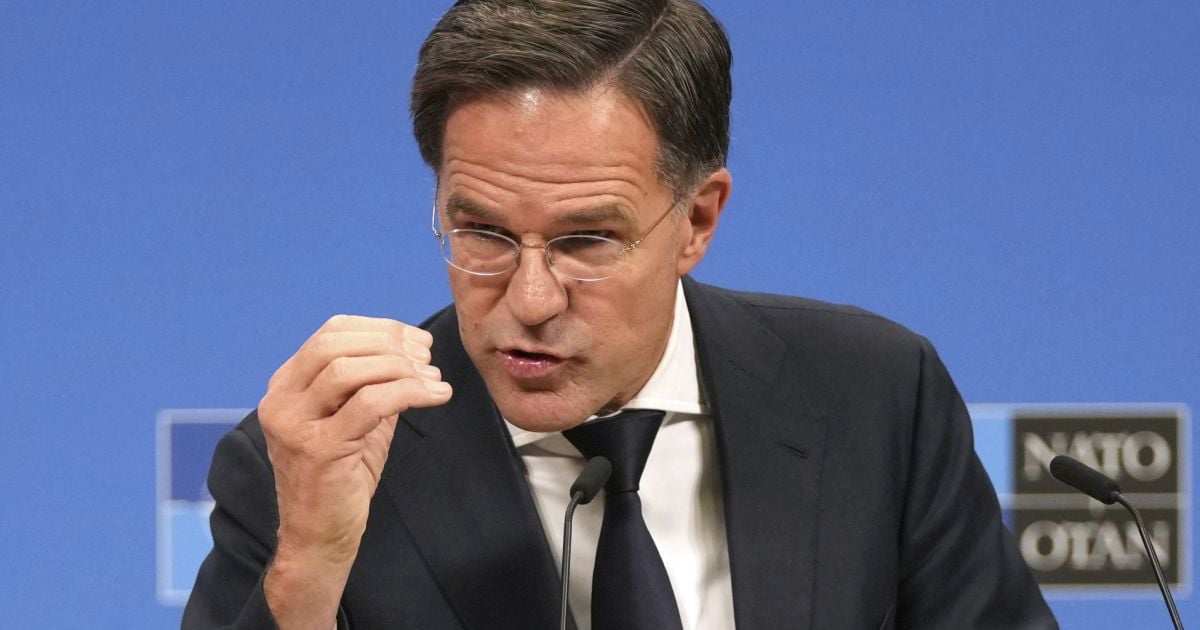
NATO Will Not Retreat to 1997 Borders: Mark Rutte Rejects Kremlin's Ultimatum
NATO Secretary General Mark Rutte stated at the Parliamentary Assembly in Berlin that Russia's demand to roll back the Alliance to its 1997 positions is unacceptable to a…
 💡Tech
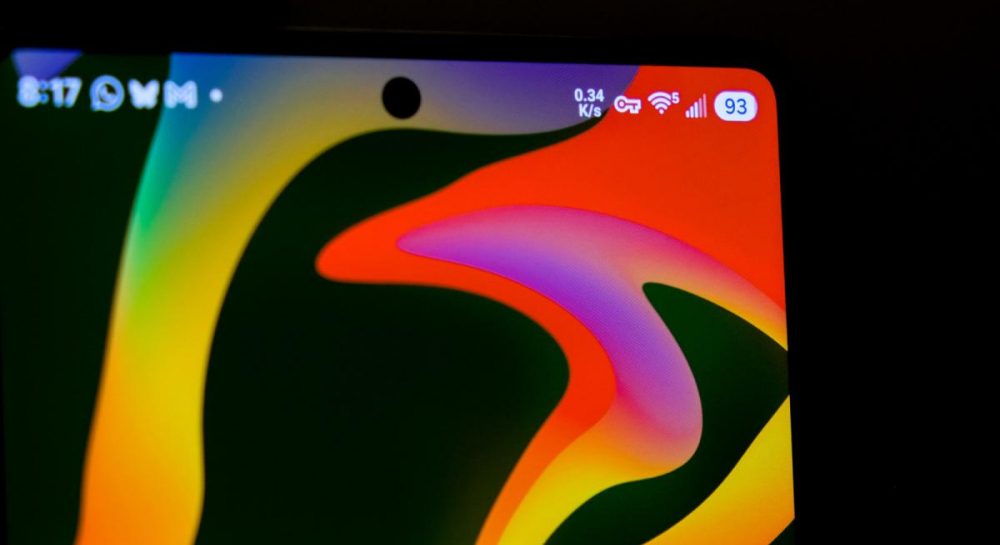
Key icon on Android screen: what it means and how to manage it
The appearance of a key icon in the Android status bar often confuses users. We explain why this indicator appears and what it means for your digital security.
 🎓Education
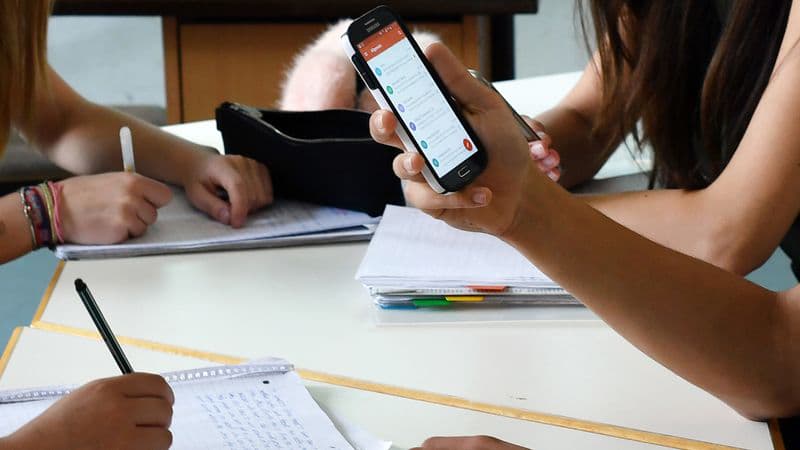
Danish Government Plans Nationwide School Smartphone Ban Following Record Low PISA Scores
Denmark prepares legislation to ban smartphones in schools up to the 10th grade in response to historically poor student performance data.
 🇺🇦Ukraine
Kremlin's Renewed Nuclear Threats: Medvedev Outlines Conditions for WMD Use
Dmitry Medvedev has once again threatened a preemptive nuclear strike against Ukraine, attempting to justify the ongoing invasion through geopolitical narratives.
 🇺🇦Ukraine
EU Responds to Putin's Moscow Invitation, Prioritizing Multilateral Peace Talks
The European Commission acknowledges the invitation from Moscow but insists on a broad diplomatic format involving NATO and EU allies only after a ceasefire.
 🏛️Politics
SAP Prosecutor Praises NABU Media Team Amid Criticism Over Investigation Quality
SAP prosecutor Rostyslav Batih responded to allegations of weak evidence in anti-corruption cases by highlighting the professional skills of NABU's video editing staff.